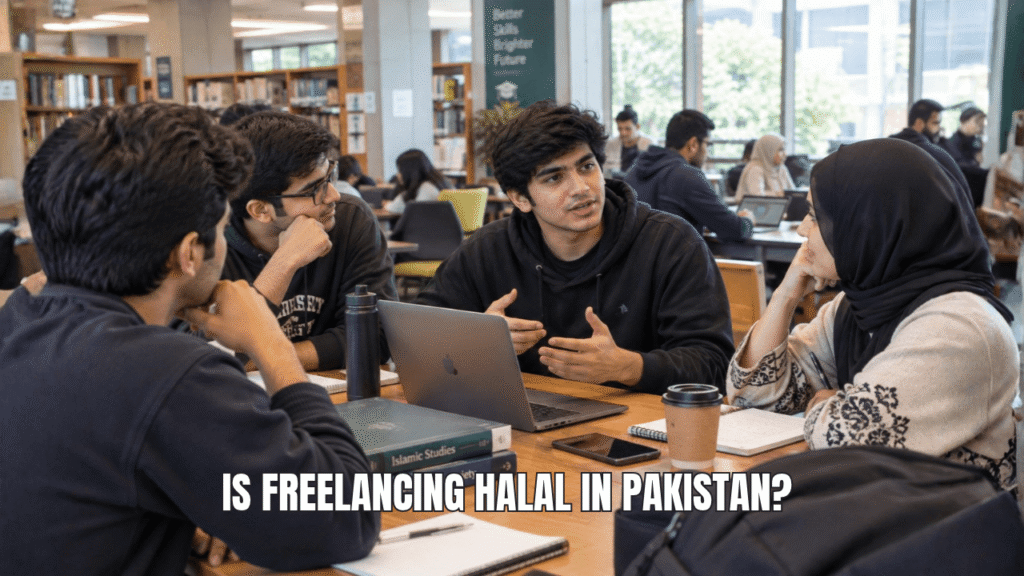
Freelancing has exploded in popularity across Pakistan. From Lahore to Karachi, thousands of young professionals are turning to online work to build careers and support their families. But for Muslim freelancers, a critical question remains at the forefront of their minds: is this way of earning money halal or haram according to Islamic teachings?
The short answer is that freelancing itself is neither inherently halal nor haram. Its permissibly depends entirely on what you do, who you work for, and how you conduct your business. Islam encourages honest labour and fair trade. The Prophet Muhammad (peace be upon him) praised those who earn their livelihood through lawful means. This guide will walk you through everything you need to know to ensure your freelancing career aligns with your faith while helping you succeed professionally.
Understanding the Core Islamic Principles of Work
To determine if freelancing is halal, we must first look at the foundational principles of income in Islam. Allah has permitted trade and commerce while prohibiting interest (riba), deception, and involvement in sinful activities. Freelancing is essentially a modern form of trade where you exchange your skills and time for money.
The key concept here is “Halal Rizq” or lawful sustenance. In Islam, the source of your income matters just as much as the amount. Money earned through deceit, supporting haram industries, or violating contracts is considered impure. Conversely, money earned through honest effort, transparency, and permissible services is blessed by Allah.
When you freelance, you enter into a contract with a client. Islam places immense weight on honoring contracts. The Quran states that believers must fulfill their obligations. Therefore, if you agree to deliver a project by a certain date for a specific price, failing to do so without a valid reason is not just unprofessional but also goes against Islamic ethics. Your intention (niyyah) also plays a vital role. If your intention is to support your family, contribute to society, and remain independent so you can worship Allah freely, your work becomes an act of worship.
Evaluating Common Freelancing Niches for Permissibility
Not all freelance jobs are created equal. Some are clearly halal, some are clearly haram, and others fall into a gray area requiring careful judgment. Let us break down popular categories to help you make informed decisions.
Web Development and Programming Building websites, apps, or software is generally halal. However, you must consider the purpose of the product. If you are building a website for a bank that deals primarily in interest-based loans, many scholars would advise against it because you are directly facilitating riba. On the other hand, building an e-commerce site for a clothing brand or a learning management system for a school is perfectly permissible. The code itself is neutral; its application determines its ruling.
Graphic Design and Creative Arts Designing logos, brochures, and social media posts is a common freelance job. This is halal as long as the content you are designing does not promote haram activities. For example, designing a poster for a music festival involving alcohol and immodesty would be problematic. However, designing educational materials, corporate branding for tech companies, or modest fashion advertisements is completely acceptable. You should also avoid creating images that involve depicting prophets or sacred religious figures disrespectfully.
Content Writing and Copywriting Writing articles, blog posts, and sales copy is a huge market. If you are writing about health, technology, education, or general lifestyle topics, it is halal. The issue arises when you are asked to write promotional content for gambling sites, adult entertainment, or interest-based financial products. Additionally, you must avoid writing deceptive content that lies to customers or exaggerates product benefits falsely. Honesty in writing is a religious obligation.
Digital Marketing and Social Media Management Managing social media accounts or running ad campaigns is permissible if the product being marketed is halal. Promoting modest clothing, halal food brands, or educational courses is great. However, marketing cigarettes, alcohol, or dating apps that facilitate illicit relationships is haram. Also, ensure that your marketing tactics do not involve deception or manipulation. Ethical marketing that provides value to the customer is encouraged in Islam.
Online Tutoring and Consulting Sharing knowledge is highly rewarded in Islam. Teaching subjects like mathematics, science, coding, or languages is definitely halal. Even teaching Islamic studies online is a noble profession. Business consulting is also permissible as long as you are not advising clients on how to evade taxes illegally or engage in interest-based financing schemes. Your expertise should be used to help others succeed in lawful ways.
Navigating Gray Areas and Complex Client Relationships
Real life is rarely black and white. Many freelancers in Pakistan encounter situations that are not explicitly mentioned in traditional texts. Here is how to approach these nuanced scenarios.
Working for Large Multinational Corporations You might get a contract from a large company that has diverse business interests. For instance, a tech giant might have a halal cloud computing division but also invest in controversial industries. Most contemporary scholars suggest that if your specific task is unrelated to the haram aspects of the business, it is generally permissible. For example, fixing a bug in their email system is likely fine, even if the company has other questionable ventures. However, if your work directly supports their haram activities, you should avoid it.
Dealing with Interest-Based Payment Systems Many freelancing platforms hold money in escrow or pay out via systems that may involve minimal interest accumulation during the holding period. While ideally, one should avoid any involvement with riba, many scholars recognize that in the modern global economy, complete avoidance is sometimes difficult for essential transactions. The general advice is to minimize such exposure, withdraw funds promptly to avoid interest accumulation, and give away any incidental interest earned to charity without expecting reward, simply to cleanse your wealth.
Clients Requesting Unethical Tactics A client might ask you to use “black hat” SEO techniques, buy fake followers, or write misleading reviews. These practices involve deception and fraud, which are strictly haram. Even if the client insists, you must politely refuse. Explain that your professional ethics and religious beliefs prevent you from engaging in dishonest practices. Often, clients respect this integrity, and if they do not, it is a sign that they are not the right partner for you.
The Importance of Contracts and Professional Integrity
In Islam, a verbal agreement is binding, but written contracts provide clarity and protection for both parties. As a freelancer, always use clear contracts that outline the scope of work, deadlines, payment terms, and revision policies. This prevents disputes and ensures that both you and the client know exactly what is expected.
Transparency is crucial. If you realize you cannot meet a deadline due to unforeseen circumstances, inform the client immediately. Hiding delays or making excuses violates the principle of honesty. Similarly, if you discover an error in your work after submission, own up to it and fix it proactively. This builds trust and reflects the character of a true believer.
Pricing your services fairly is also part of Islamic ethics. Do not exploit a client’s lack of knowledge by overcharging, but do not undervalue your work to the point where you cannot sustain yourself. The Prophet Muhammad (peace be upon him) was known for his fairness in trade. Aim for a win-win situation where the client feels they received value and you feel compensated fairly for your effort.
Tax Compliance and Civic Responsibility in Pakistan
Many freelancers wonder if paying taxes is obligatory from an Islamic perspective. The consensus among modern scholars is that paying legally required taxes is a duty for citizens. Taxes fund public services like roads, security, healthcare, and education, which benefit the entire community, including Muslims. Evading taxes when you are legally liable is considered a form of dishonesty and theft from the state.
In Pakistan, the Federal Board of Revenue (FBR) has introduced specific regimes for IT exporters and freelancers to make compliance easier. Registering with the FBR and filing your tax returns ensures that your income is documented and clean. This “clean money” brings peace of mind and barakah (blessings). Moreover, having a tax-compliant status helps you secure visas, loans, and other financial services in the future.
Keep detailed records of your income and expenses. Use accounting software or simple spreadsheets to track every transaction. This not only helps with tax filing but also gives you a clear picture of your business health. If you are unsure about tax laws, consult a qualified tax advisor in Pakistan. Investing in professional advice is better than facing legal complications later.
Practical Steps to Start a Halal Freelancing Career
If you are ready to start or improve your freelancing journey while keeping your faith central, follow these practical steps.
Step 1: Self-Assessment and Skill Identification Identify what you are good at. Are you a writer, designer, developer, or marketer? Be honest about your current skill level. Islam encourages excellence (Ihsan) in all deeds. If you lack skills, invest time in learning through online courses. Platforms like Coursera, Udemy, and YouTube offer affordable or free resources.
Step 2: Choose the Right Platforms Sign up on reputable freelancing platforms like Upwork, Fiverr, or Freelancer.com. Create a professional profile that highlights your skills honestly. Do not exaggerate your experience. Use a professional photo and write a bio that reflects your professionalism. You do not need to explicitly state your religion, but let your work ethic speak for your values.
Step 3: Vet Your Clients and Projects Before bidding on a project, research the client. Look at their website and social media. What do they sell? What is their mission? If anything feels off or involves haram elements, skip it. There are plenty of halal opportunities available. Do not let desperation push you into compromising your principles. Trust that Allah will provide through lawful means.
Step 4: Set Clear Boundaries Communicate your availability clearly. If you need time for prayers or Jummah, plan your schedule accordingly. Most international clients are understanding if you communicate proactively. For example, you can set your working hours to exclude prayer times or inform clients that you will be unavailable on Fridays for a few hours. Professionalism includes managing expectations.
Step 5: Manage Your Finances Wisely Open a separate bank account for your freelance income. This makes tracking easier. Save a portion of your income for taxes, emergencies, and charity. Giving sadaqah (charity) purifies your wealth and protects you from greed. Even small amounts given regularly can make a significant spiritual and social impact.
Overcoming Common Challenges Faced by Muslim Freelancers
Freelancing is not without its challenges. Income instability, difficult clients, and isolation are common issues. Here is how to handle them from an Islamic perspective.
Dealing with Income Fluctuation Freelance income can be unpredictable. Some months are busy, others are slow. Practice tawakkul (trust in Allah). Remember that provision comes from Allah, not just from clients. During good months, save for lean periods. Avoid lifestyle inflation. Live within your means and maintain an emergency fund. Anxiety about money is natural, but excessive worry indicates a lack of trust in Allah’s plan. Increase your dhikr (remembrance of Allah) and dua (supplication) during stressful times.
Handling Rejection and Criticism You will face rejection. Clients may choose other freelancers or criticize your work. Do not take it personally. Use feedback constructively to improve. The Prophet Muhammad (peace be upon him) faced much greater hardships yet remained patient and persistent. View rejection as redirection towards better opportunities. Stay humble and keep improving your craft.
Maintaining Work-Life Balance It is easy to get consumed by work when you are your own boss. Set strict working hours. Prioritize your prayers, family time, and rest. Islam emphasizes balance. Neglecting your health or family duties for work is not encouraged. Take breaks, exercise, and spend quality time with loved ones. A balanced life leads to better productivity and spiritual well-being.
Frequently Asked Questions About Halal Freelancing
Yes, absolutely. Islam permits trade and interaction with people of all faiths. The key is that the work itself must be halal. Treating non-Muslim clients with respect, honesty, and professionalism is a way to represent Islam positively. Many companions of the Prophet engaged in trade with non-Muslims.
If you realise mid-project that the work is haram, stop immediately. Inform the client politely that you cannot continue due to personal ethical reasons. Return any advance payment if you have not done substantial work. Seek forgiveness from Allah and learn from the mistake. Be more vigilant in vetting future projects.
Using AI tools like chatbots or design assistants is generally permissible as long as you are transparent with clients if required by the contract. Ensure the AI is not generating haram content. You should also add your own value and review the output critically. Do not present AI-generated work as entirely your own if it misleads the client about your effort.
Dropshipping can be halal if structured correctly. You must ensure you have ownership or permission to sell the item before selling it to the customer to avoid selling what you do not possess. Also, the products must be halal, and you must be transparent about shipping times and costs. Consult a scholar for specific contract structures to ensure compliance with Islamic finance principles.
The Spiritual Rewards of Halal Earnings
Earning halal income brings profound spiritual benefits. It brings barakah (blessings) into your life, meaning your money goes further, your health improves, and your family finds peace. Halal income allows you to give charity with confidence, knowing that Allah will accept it. It also sets a positive example for your children and community, showing that success and faith can go hand in hand.
When you strive to keep your earnings pure, you develop a closer relationship with Allah. You become more mindful of your actions and intentions. This consciousness extends beyond work into all areas of life, making you a better person overall. The peace of mind that comes from knowing your income is clean is invaluable.
Conclusion
Freelancing is a viable, rewarding, and completely halal career path for Muslims in Pakistan when practiced with integrity and adherence to Islamic principles. By choosing permissible niches, dealing honestly with clients, fulfilling contractual obligations, and paying your taxes, you can build a successful career that pleases Allah.